

Democratic Experiments in Africa: Regime Transitions in Comparative Perspective (Cambridge Studies in Comparative Politics)
Product details
| Management number | 231823259 | Release Date | 2026/06/18 | List Price | US$15.86 | Model Number | 231823259 | ||
|---|---|---|---|---|---|---|---|---|---|
| Category | |||||||||
Between 1989 and 1994, 41 out of 47 countries in Sub-Saharan Africa underwent significant political reform, including in many cases the first competitive elections in a generation. How can this wave of political liberalization be explained? Why did some countries complete a democratic transition, while others could not sustain more than limited political reform and others still suffered authoritarian reversals? What are the long term prospects for democracy in Africa? This study constitutes the first comprehensive analysis of democratic transitions in Sub-Saharan Africa. Using an original data set they assembled, the authors demonstrate that economic and international forces often provided the context in which political liberalization occurred, but cannot by themselves explain the observed outcomes. Instead, the authors develop a political-institutional theoretical framework in which the distinctive political traditions of Africa's neopatrimonial states are shown to have powerfully shaped the regime transitions. Read more
| ASIN | B01N5WM3MP |
|---|---|
| XRay | Not Enabled |
| Format | Print Replica |
| ISBN13 | 978-1108143622 |
| Language | English |
| File size | 45.3 MB |
| Page Flip | Not Enabled |
| Publisher | Cambridge University Press |
| Word Wise | Not Enabled |
| Print length | 330 pages |
| Accessibility | Learn more |
| Part of series | Cambridge Studies in Comparative Politics |
| Publication date | August 13, 1997 |
| Enhanced typesetting | Not Enabled |
Bestseller ranking
Democracy




Customers who viewed this product also viewed
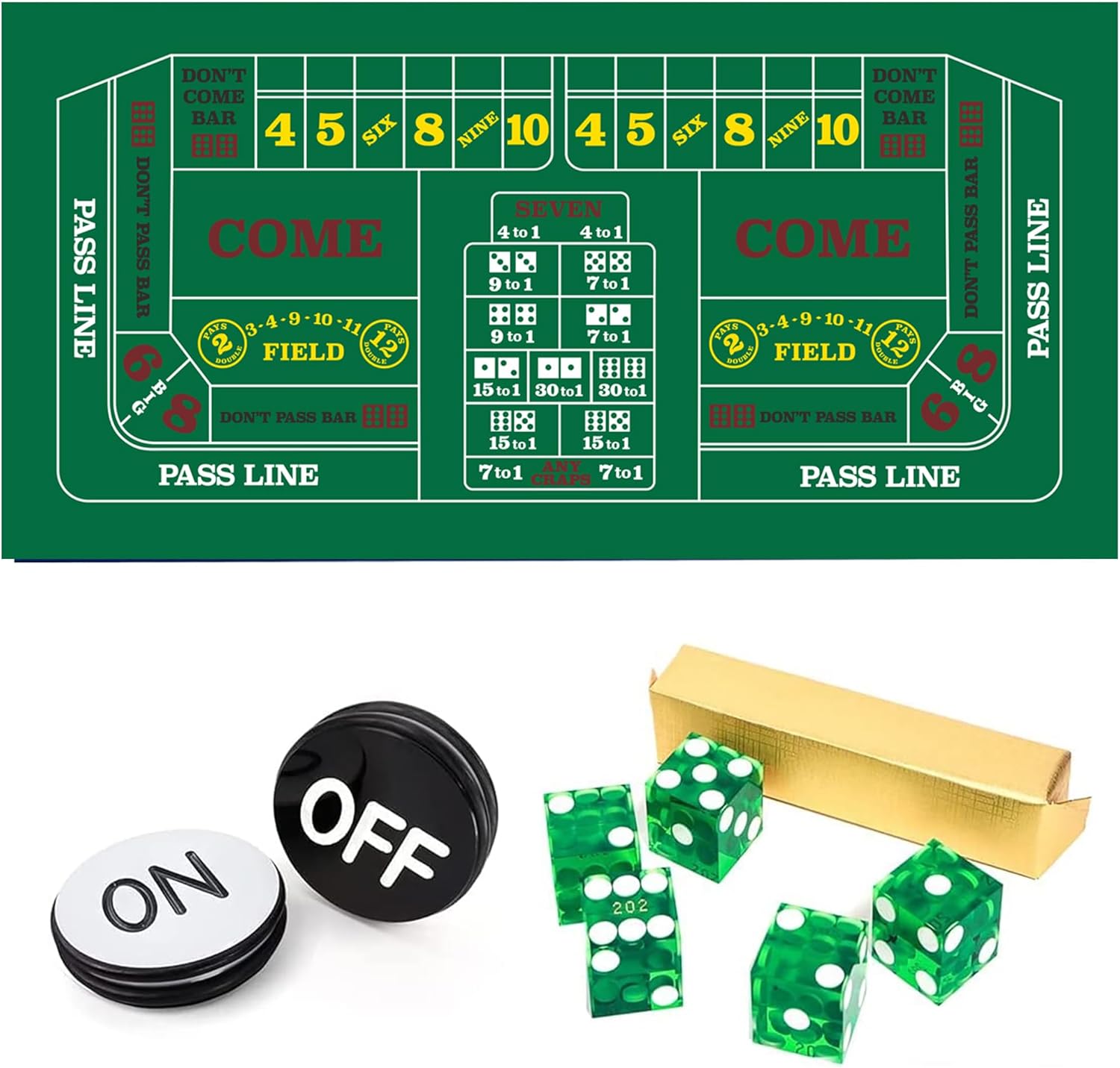
Craps Sets




Correction of product information
If you notice any omissions or errors in the product information on this page, please use the correction request form below.
Correction Request Form